Every facility manager knows that floors take a beating. From constant foot traffic and rolling equipment to cleaning chemicals and environmental factors, every surface has a lifespan. But when your floors start showing signs of wear, the big question arises: Should you restore them or replace them entirely?
At DPM Surface Care, we help facility managers across Knoxville, Nashville, Chattanooga, and the Tri-Cities make informed decisions about their floors. Understanding when restoration is the right choice (and when replacement is unavoidable) can save you significant time, money, and disruption.
Understanding the Difference
Restoration focuses on reviving your existing flooring to its original appearance and performance. It typically involves deep cleaning, refinishing, polishing, or recoating, without removing or replacing the surface.
Replacement, on the other hand, means tearing out the old material and installing new flooring altogether. While sometimes necessary, it’s far more costly, time-consuming, and disruptive to operations.
How to Choose: Restore vs. Replace
Knowing when to choose each option comes down to evaluating several key factors.
1. Assess the Condition of the Floor
Start with an honest evaluation of your flooring’s condition. Look for:
- Surface-level wear like scuffs, scratches, or dull finishes
- Deep damage such as cracks, warping, or delamination
- Signs of moisture intrusion or subfloor issues
If the damage is primarily cosmetic or surface-level, restoration is often the best choice. DPM Surface Care uses specialized systems to bring even heavily worn floors back to life, from polished concrete and resilient flooring to carpet and stone. However, if the flooring has structural damage or widespread failure, replacement may be the more practical long-term solution.
2. Consider the Type of Flooring
Different surfaces have different restoration potential:
- Carpet: Deep extraction cleaning or low-moisture encapsulation can restore appearance and extend carpet life. Replacement is usually only needed when fibers are matted, backing is delaminated, or severe staining is present.
- Tile & Grout: Professional cleaning and grout sealing can often make tile look brand new. If tiles are cracked or loose throughout, replacement may be necessary.
- Polished Concrete: Restoration through re-polishing and densifier application can renew the shine and durability of concrete floors without replacement.
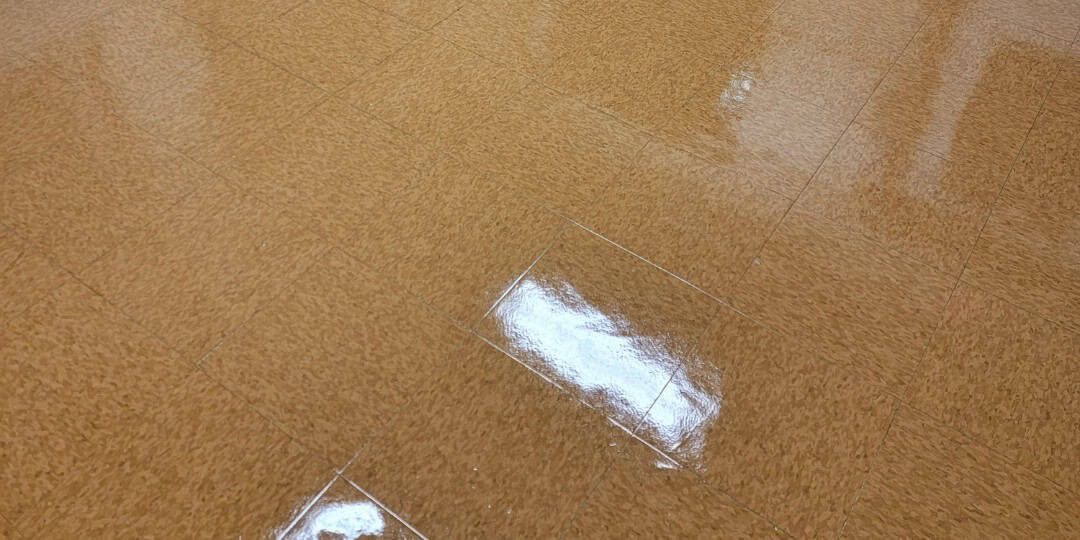
- Resilient Flooring (VCT, LVT, Rubber): Strip-and-recoat services can restore gloss and protection. Replacement is needed if tiles or planks are lifting, brittle, or damaged.
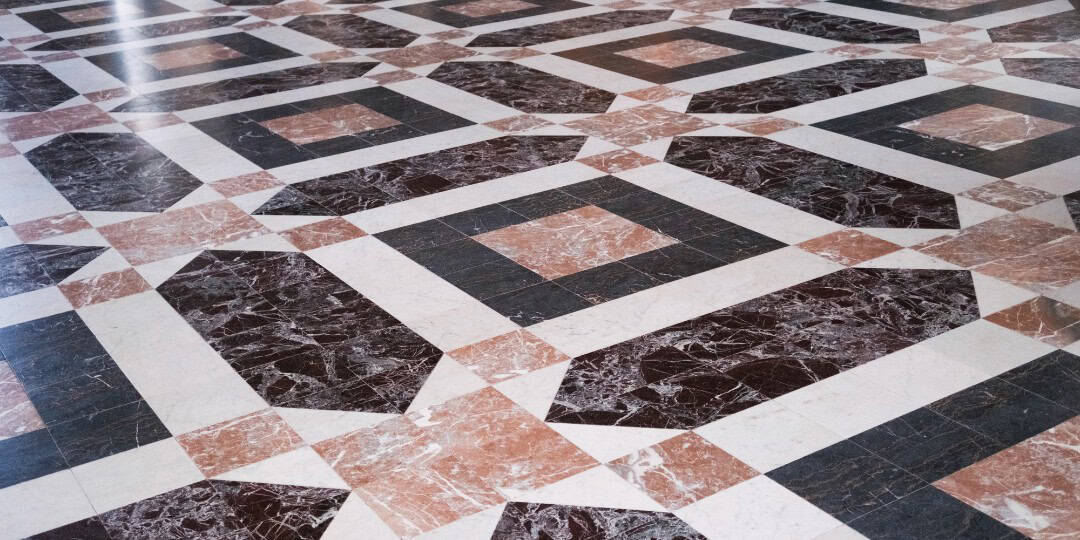
- Natural Stone & Terrazzo: Honing and polishing can remove etches and scratches. Replacement is rare unless slabs are severely cracked or uneven.
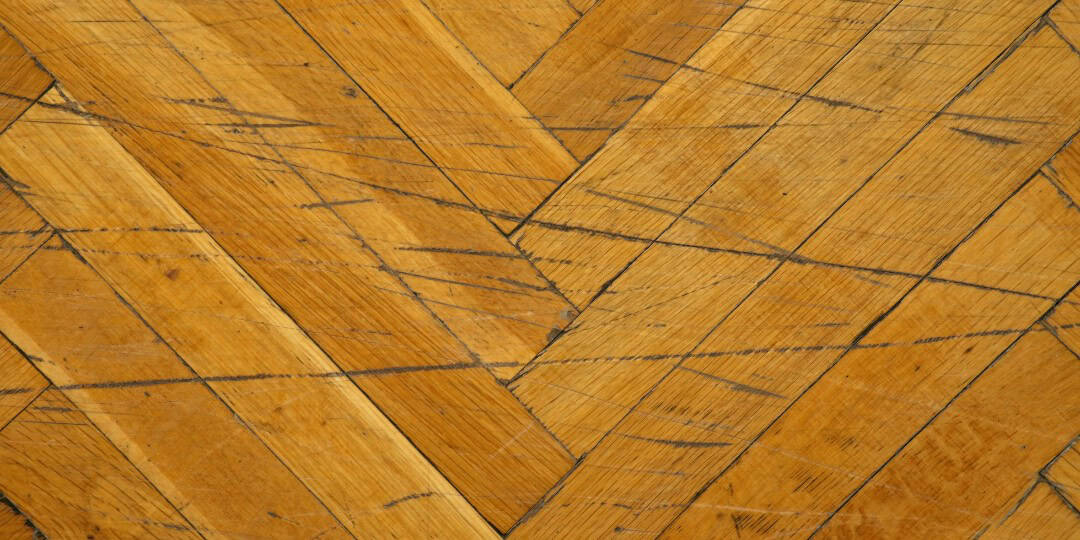
- Wood Flooring: Sanding and refinishing can restore finish and color multiple times before replacement becomes necessary.
- Coated Floors & Performance Surfaces: Re-coating or reapplying performance coatings can refresh appearance and extend protection for years.
At DPM Surface Care, we provide specialized restoration services across all these surfaces, helping you get the most from what you already have.
3. Evaluate Cost and Downtime
Replacing flooring can be expensive and disruptive, especially in high-traffic commercial facilities like schools, offices, or government buildings. Restoration typically:
- Costs less than replacement
- Requires minimal downtime
- Generates less waste, supporting sustainability goals
For facilities that operate around the clock, restoration offers a faster, more budget-conscious alternative without sacrificing quality.
4. Think Long-Term Performance
Restoration doesn’t just improve appearance, it can actually extend your flooring’s usable life. Professional restoration helps:
- Protect surfaces from future wear
- Improve slip resistance
- Maintain warranty requirements (for certain flooring systems)
- Enhance your building’s overall image
Replacement may still be the right move if your current flooring no longer meets performance, safety, or design standards. For example, if you’re renovating to support new traffic patterns or need flooring that aligns with sustainability goals, new materials might be worth the investment.
5. Get a Professional Assessment
The best way to determine whether to restore or replace is to bring in a surface care expert. DPM Surface Care provides comprehensive floor assessments that evaluate condition, performance, and life expectancy across all flooring types. Our team can recommend the most cost-effective strategy to extend the life of your surfaces and maintain a professional appearance throughout your facility.
Deciding Between Replacing vs Restoring Your Floors
Knowing when to restore versus replace your floors can make a major difference in your facility’s budget and appearance. Restoration is often the smarter, faster, and more sustainable option, but the right choice depends on your specific flooring type, condition, and operational needs.
At DPM Surface Care, we help facility managers across Knoxville, Nashville, Chattanooga, and the Tri-Cities make informed, strategic decisions about their flooring. From restoration and polishing to performance coatings and maintenance programs, we’re here to help you protect your investment and plan for the long term.
Schedule a Floor Assessment
Ready to find out whether your floors should be restored or replaced? Schedule a floor assessment with DPM Surface Care to get expert guidance and a tailored maintenance plan for your facility.