Floors are one of the largest and most heavily used assets in any commercial facility. From carpet and resilient flooring to polished concrete and natural stone, each surface plays a role in safety, appearance, and long-term operating costs. Yet many facilities still manage floor care reactively, addressing issues only when floors look worn or damaged.
A comprehensive floor care program takes a proactive, planned approach to maintaining all flooring surfaces throughout their lifecycle. For facility managers and property managers, this approach reduces unexpected costs, extends floor life, and supports consistent building standards.
Defining a Comprehensive Floor Care Program
A comprehensive floor care program is a customized maintenance plan that addresses every flooring type in a facility using the right frequency, methods, and products for each surface. Instead of relying on one-off cleanings, it integrates daily care, periodic maintenance, and restorative services into a single, coordinated strategy.
The goal is to maintain appearance, performance, and safety while delaying costly replacement or major repairs.
Flooring Types Included in a Comprehensive Program
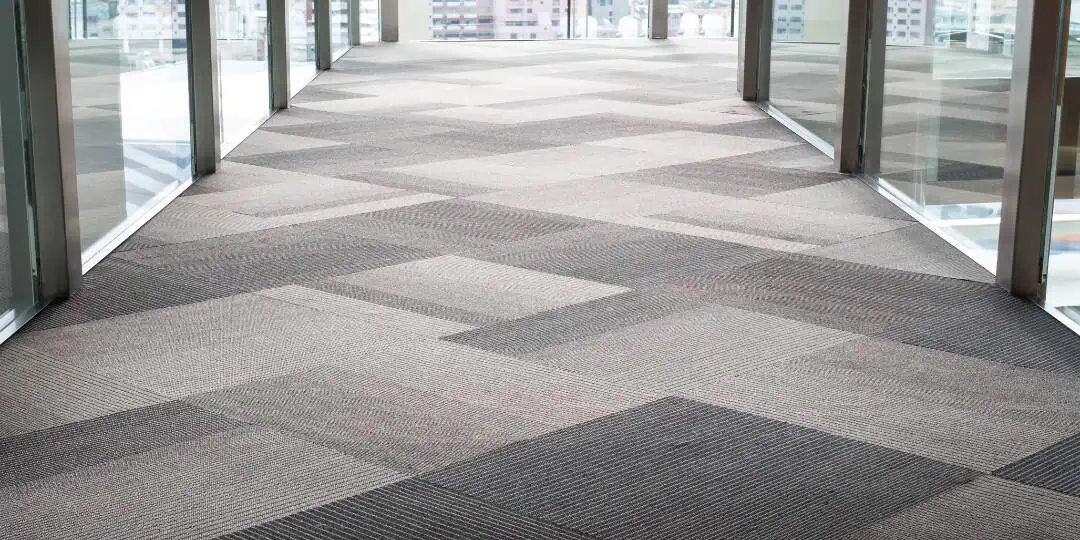
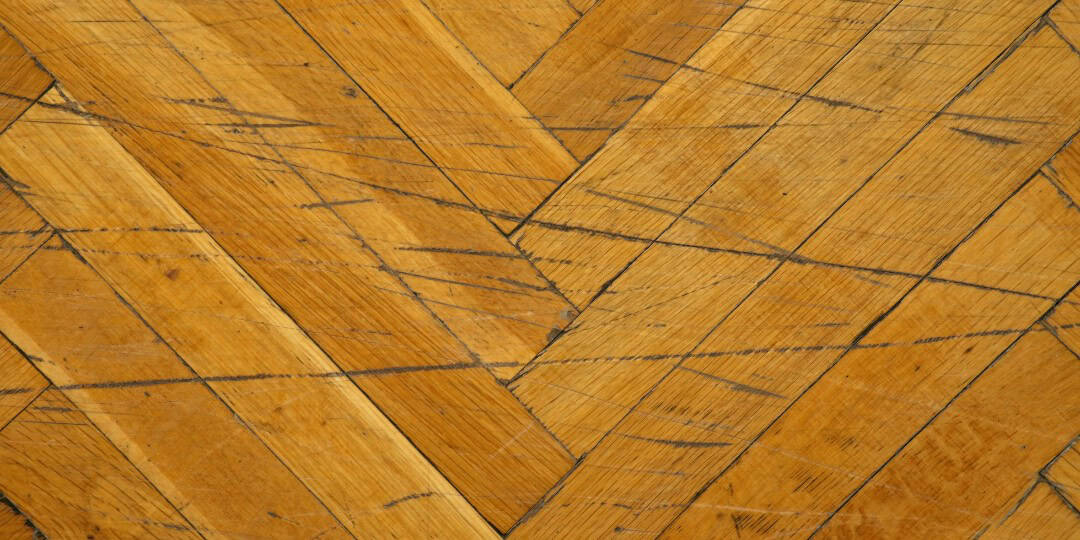
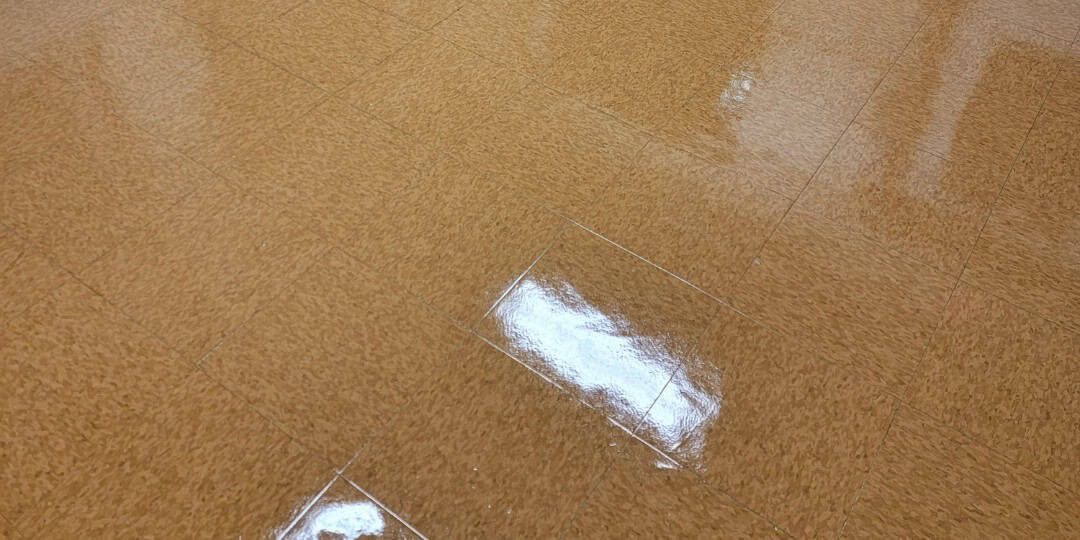
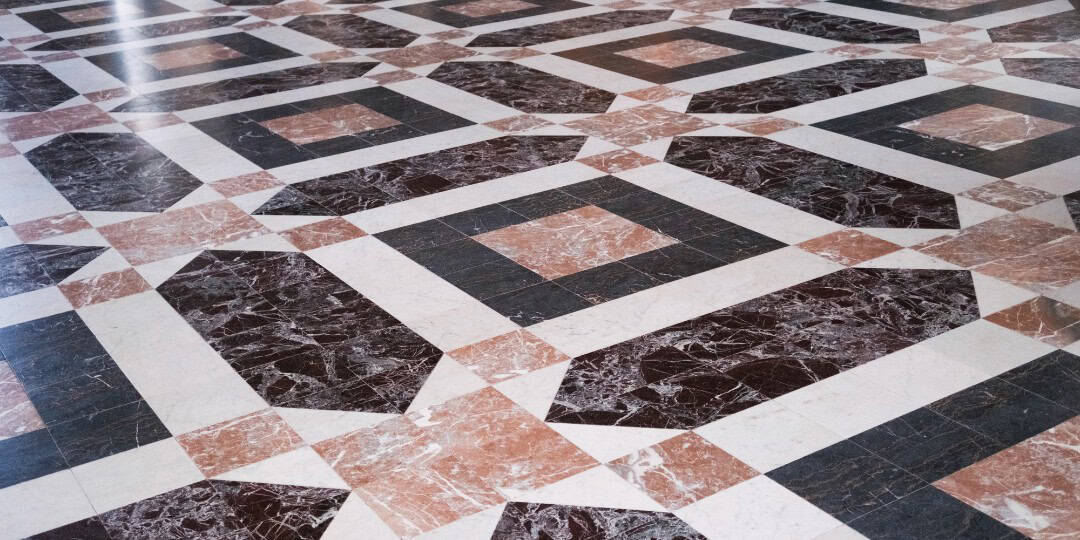
Most commercial facilities have multiple flooring surfaces that require different care methods. A comprehensive program typically includes carpet, VCT and other resilient flooring, luxury vinyl tile and plank, tile and grout, natural stone and terrazzo, polished concrete, wood and specialty flooring, and high-performance floor coatings.
Each surface has unique maintenance requirements. Treating all floors the same often leads to premature wear, discoloration, or surface failure.
Core Components of a Comprehensive Floor Care Program
A successful floor care program is built on several key components.
Routine Maintenance
Daily and weekly tasks such as vacuuming, dust mopping, auto-scrubbing, and damp mopping with a micro-fiber mop to remove abrasive soils that cause wear. Proper entry matting systems are also critical to reducing dirt and moisture tracked into the facility.
Interim Maintenance
Interim services maintain appearance between deep cleanings. These may include carpet encapsulation, scrub-and-recoat services for resilient flooring, or burnishing to restore gloss and traction.
Restorative Maintenance
Restorative services address embedded soils, wear patterns, and surface damage. Examples include hot water extraction for carpet, stripping and waxing of VCT, deep tile and grout cleaning, stone honing and polishing, and concrete restoration.
Surface Protection
Protective treatments such as sealers, finishes, and high performance coatings help floors resist stains, wear, and moisture intrusion. These products extend maintenance cycles and reduce long-term labor and chemical use. Click here to learn more about the different high performance coatings we offer.
Why Reactive Floor Care Costs More
When floor care is handled only after problems appear, damage has often already occurred. Worn finishes, fiber damage, and surface erosion are more expensive to correct than to prevent.
Reactive floor care often leads to increased downtime, inconsistent appearance across the facility, safety concerns such as slip hazards, and higher replacement costs. A comprehensive program shifts spending from emergency repairs to planned maintenance, creating more predictable budgets.
How a Comprehensive Program Supports Safety and Compliance
Well-maintained floors improve traction, reduce slip hazards, and support indoor air quality. In regulated environments such as healthcare, education, and government facilities, proper floor care also supports compliance with safety, cleanliness, and inspection standards. Consistent maintenance documentation can also help demonstrate due diligence in the event of slip-and-fall claims.
Customization Based on Facility Use and Traffic
No two facilities have identical floor care needs. A comprehensive program considers traffic levels, operating hours, environmental conditions, and the expectations of occupants and visitors. High-traffic corridors may require more frequent maintenance than private offices. Entryways and restrooms often need specialized care. Seasonal changes, such as winter moisture or summer dust, also impact floor performance and maintenance frequency.
How DPM Surface Care Builds Custom Floor Care Programs
At DPM Surface Care, comprehensive floor care programs are built specifically around the needs of each facility, not packaged as one-size-fits-all solutions.
The process begins with a detailed assessment of all flooring surfaces, including carpet, resilient flooring, tile and grout, natural stone, concrete, and specialty surfaces. Traffic patterns, usage levels, operating hours, and environmental factors are evaluated to determine the appropriate maintenance methods and frequencies for each area.
From there, DPM develops a customized floor care plan that balances routine, interim, and restorative services with protective treatments designed to extend floor life and stabilize maintenance budgets. Programs are designed to support appearance standards, safety requirements, and long-term asset protection, not just short-term cleaning results.
Ongoing inspections and open communication allow DPM to adjust the program as facility needs change, whether due to increased traffic, seasonal conditions, renovations, or evolving operational priorities.
Measuring Success in a Floor Care Program
An effective floor care program is evaluated not just by appearance, but by performance over time. Key indicators include consistent floor appearance, reduced emergency service calls, extended floor life cycles, improved safety metrics, and stabilized maintenance costs. Regular inspections and adjustments ensure the program continues to meet facility needs as usage changes.
Develop a Comprehensive Floor Care Program with DPM Surface Care
A comprehensive floor care program is a strategic approach to protecting one of a facility’s most valuable assets. By combining routine care, interim maintenance, restorative services, and surface protection, facility managers can improve appearance, safety, and cost control across all flooring types.
Working with a professional partner like DPM Surface Care helps ensure your floor care program is customized, proactive, and aligned with your facility’s long-term goals, so floors perform as well as they look. Reach out to get started and develop a custom floor care program that meets your facility’s needs.