Commercial carpet stains are more than a cosmetic issue, they can shorten carpet life, impact indoor air quality, and increase long-term maintenance costs. For facility managers and property managers responsible for large buildings, knowing how to respond to carpet spills properly is essential to protecting both appearance and budgets.
This blog covers best practices for handling tough carpet stains in commercial facilities without damaging fibers or voiding warranties.
Why Carpet Stains Are a Bigger Deal in Commercial Facilities
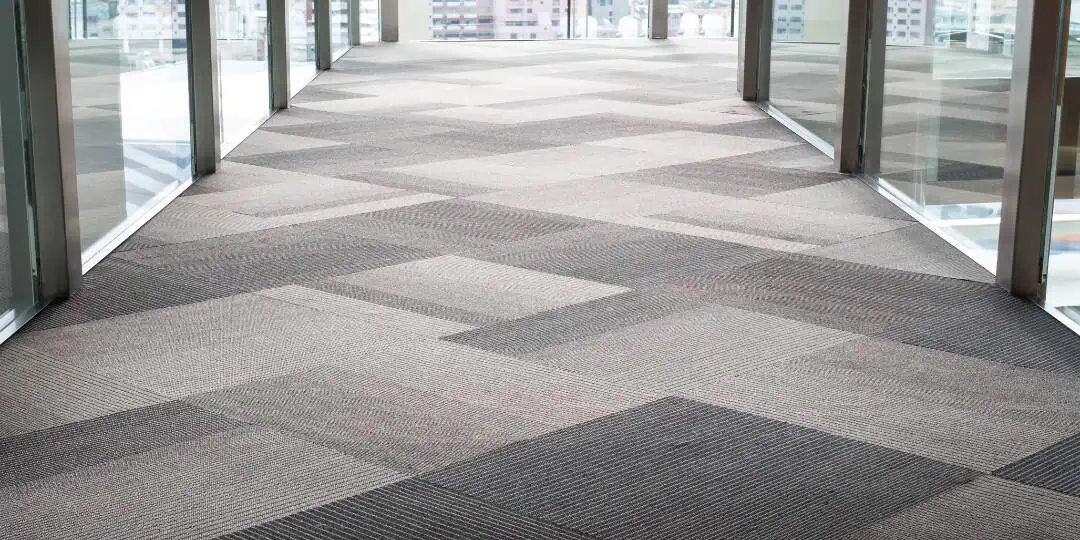
Commercial carpet in office buildings, schools, healthcare facilities, and government buildings is exposed to constant foot traffic and heavier use than residential carpet. These carpets are often low-pile, looped, or glue-down systems designed for durability, but they still require correct maintenance.
Improper stain removal in carpet can lead to fiber damage, discoloration, rapid re-soiling, delamination, and even manufacturer warranty issues. For property managers, these problems often result in higher replacement costs and tenant complaints.
Step One: Identify the Type of Carpet Stain Before Acting
Correct stain identification is critical in commercial carpet cleaning. Using the wrong method or chemistry can permanently set a stain.
Common carpet stains in commercial environments include water-based spills such as coffee, soda, ink, and mud; oil-based stains from grease, cosmetics, or machinery; protein-based stains like food or bodily fluids; and chemical spills from cleaning agents, disinfectants, or de-icers. A one-size-fits-all cleaner is rarely appropriate for carpet.
Step Two: Blot Carpet Stains, Do Not Scrub!
Scrubbing carpet stains is one of the most common causes of fiber damage in commercial buildings. Loop-pile and low-pile carpets are especially vulnerable to distortion and fraying.
The correct approach is to blot the spill immediately using a clean, white absorbent cloth, work from the outside toward the center of the stain, and apply gentle pressure only. Scrubbing can create permanent texture changes that become highly visible in high-traffic commercial areas.
Step Three: Use Carpet-Safe Cleaning Chemistry
Many all-purpose cleaners are not designed for commercial carpet fibers or backings. Improper chemistry can cause color loss, leave sticky residues that attract soil, or weaken adhesives used in glue-down carpet systems.
Commercial carpet stain removal often requires pH-balanced, fiber-specific cleaning solutions. If the carpet fiber type is unknown, the safest option is to stop and consult a professional carpet cleaning provider like DPM Surface Care of Knoxville, Nashville, Chattanooga and the Tri-Cities.
Step Four: Avoid Over-Wetting Carpet
Excess moisture is one of the most damaging mistakes in carpet stain removal. Over-wetting can lead to backing delamination, mold or mildew growth, odors, and wicking, where stains reappear after the carpet dries. These issues are particularly problematic in large commercial facilities where drying times are extended. Professional carpet cleaning uses controlled moisture and proper extraction to protect carpet systems.
When DIY Carpet Stain Removal Is Not Enough
Certain carpet stains should always be handled by professionals. These include oil and grease spills, large-volume liquid spills, chemical contamination, recurring stains, and stains in high-visibility areas such as lobbies, corridors, conference rooms, and executive offices.
When in-house efforts are no longer effective, or when there’s concern about damaging carpet fibers, backing, or warranties, it’s time to bring in a professional commercial carpet cleaning provider. Partnering with an experienced surface care company like DPM Surface Care ensures stains are addressed using industry-approved methods, fiber-safe chemistry, and controlled moisture extraction designed specifically for commercial carpet systems.
Reaching out early can prevent permanent damage, reduce downtime, and help avoid the higher cost of carpet replacement.
Preventative Carpet Maintenance for Commercial Buildings
The most cost-effective way to manage carpet stains is through preventative maintenance. Best practices for facility managers include installing proper entry matting systems, scheduling interim and restorative carpet cleaning, training staff on spill response procedures, and partnering with a professional surface care company for ongoing maintenance.
A proactive carpet care plan reduces emergency calls, extends carpet life, and helps maintain a consistent, professional appearance throughout the facility.
Frequently Asked Questions
Q: Why do carpet stains come back after cleaning?
A: Recurring stains are usually caused by over-wetting or residue left behind in the carpet. As the carpet dries, remaining contaminants wick back to the surface.
Q: How often should commercial carpet be professionally cleaned?
A: Cleaning frequency depends on traffic, use, and appearance expectations. High-traffic areas often require multiple cleanings per year. A customized maintenance plan delivers the best results.
Q: Can improper carpet stain removal void warranties?
A: Yes. Many carpet manufacturers specify approved cleaning methods and chemicals. Using unapproved products or techniques can void warranties.
Q: How do different commercial carpet fibers affect stain removal methods?
A: Commercial carpet fibers such as nylon, olefin, polyester, and wool each respond differently to cleaning chemistry and heat. Nylon is durable but sensitive to high alkalinity, olefin resists moisture but attracts oils, polyester is stain-resistant but prone to oil retention, and wool requires low-moisture, neutral-pH methods. Identifying the fiber type is critical to avoiding damage during stain removal.
Q: What pH range is considered safe for commercial carpet stain treatment?
A: Most commercial carpets perform best with cleaning solutions in a neutral to mildly alkaline pH range, depending on the stain type and fiber. Highly acidic or highly alkaline products can cause color loss, fiber degradation, or adhesive failure in glue-down carpet systems.
Q: Why does over-wetting cause delamination in glue-down carpet?
A: Excess moisture can weaken the adhesive bonding the carpet backing to the subfloor. Over time, this leads to bubbling, edge curling, or complete delamination, which often requires carpet replacement rather than repair.
Q: What causes wick-back in commercial carpet stains?
A: Wick-back occurs when moisture penetrates deep into the carpet backing or pad and draws remaining contaminants back to the surface as the carpet dries. This is common when stains are over-wet or insufficiently extracted during cleaning.
Q: Can hot water extraction damage commercial carpet?
A: Hot water extraction is effective when performed correctly. However, excessive heat, pressure, or moisture can distort fibers, damage backing, and increase drying time. Professional equipment and trained technicians are essential to control these variables in commercial environments.
Q: How does improper spot cleaning affect carpet appearance over time?
A: Repeated improper spot cleaning can create visible “clean spots,” uneven wear patterns, fiber distortion, and accelerated re-soiling. These inconsistencies are especially noticeable in open office spaces and high-traffic corridors.
Q: What role does encapsulation cleaning play in stain management?
A: Encapsulation cleaning uses low-moisture chemistry that crystallizes soil for removal during vacuuming. It is effective for interim maintenance but may not fully remove deep or oily stains, which require restorative cleaning methods.
Q: How can stain removal impact indoor air quality (IAQ)?
A: Improper cleaning methods can leave moisture, residue, or microbial growth in carpet systems, contributing to odors and IAQ concerns. Controlled moisture and thorough extraction help minimize these risks.
Protect Your Carpet Investment with DPM Surface Care
Carpet stains are inevitable in commercial environments, but permanent damage does not have to be. DPM Surface Care specializes in professional commercial carpet cleaning and stain removal for office buildings, schools, healthcare facilities, and government properties across Tennessee.
Our trained technicians use industry-approved methods, controlled moisture extraction, and fiber-specific chemistry to safely remove tough stains while protecting your carpet investment.
If you’re dealing with recurring stains, high-traffic wear, or want to build a proactive carpet maintenance plan, contact DPM Surface Care today to schedule an evaluation or request a customized quote.