Facility and property managers are constantly balancing budgets, appearance standards, and long-term asset preservation. Whether you’re overseeing a school, corporate office, healthcare facility, or large commercial property, one question comes up often: Should we invest in proactive maintenance, or just fix issues as they arise?
The short answer? Proactive surface care almost always wins, both financially and operationally. But let’s break down why, using both real-world application and the science behind surface degradation.
What Is Proactive vs. Reactive Surface Care?
Proactive surface care involves scheduled, preventative maintenance designed to preserve and extend the life of your building materials. This includes:
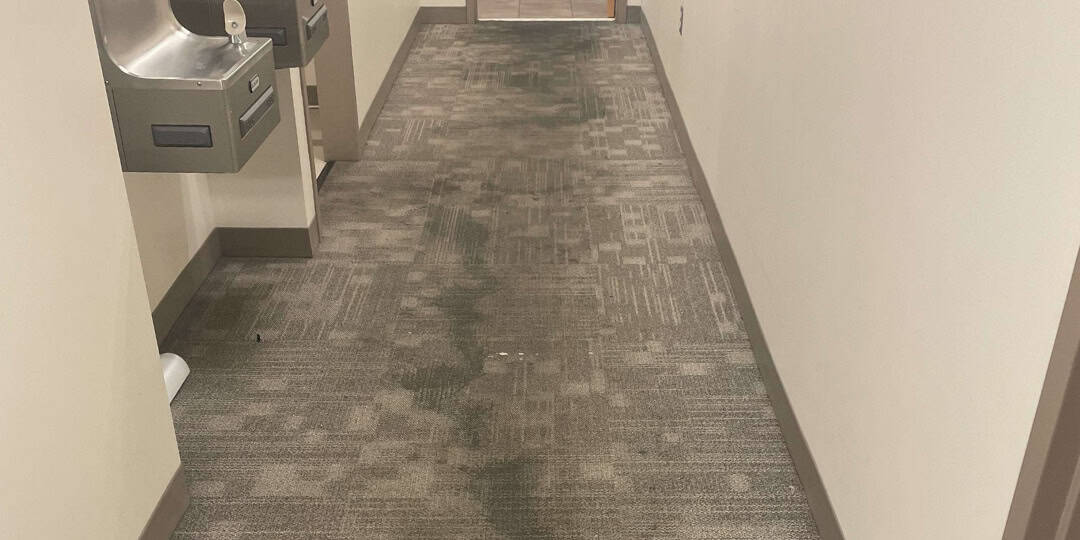
- Routine carpet cleaning and extraction
- Scheduled floor scrubbing and refinishing
- Protective coatings (wax, sealers, urethanes)
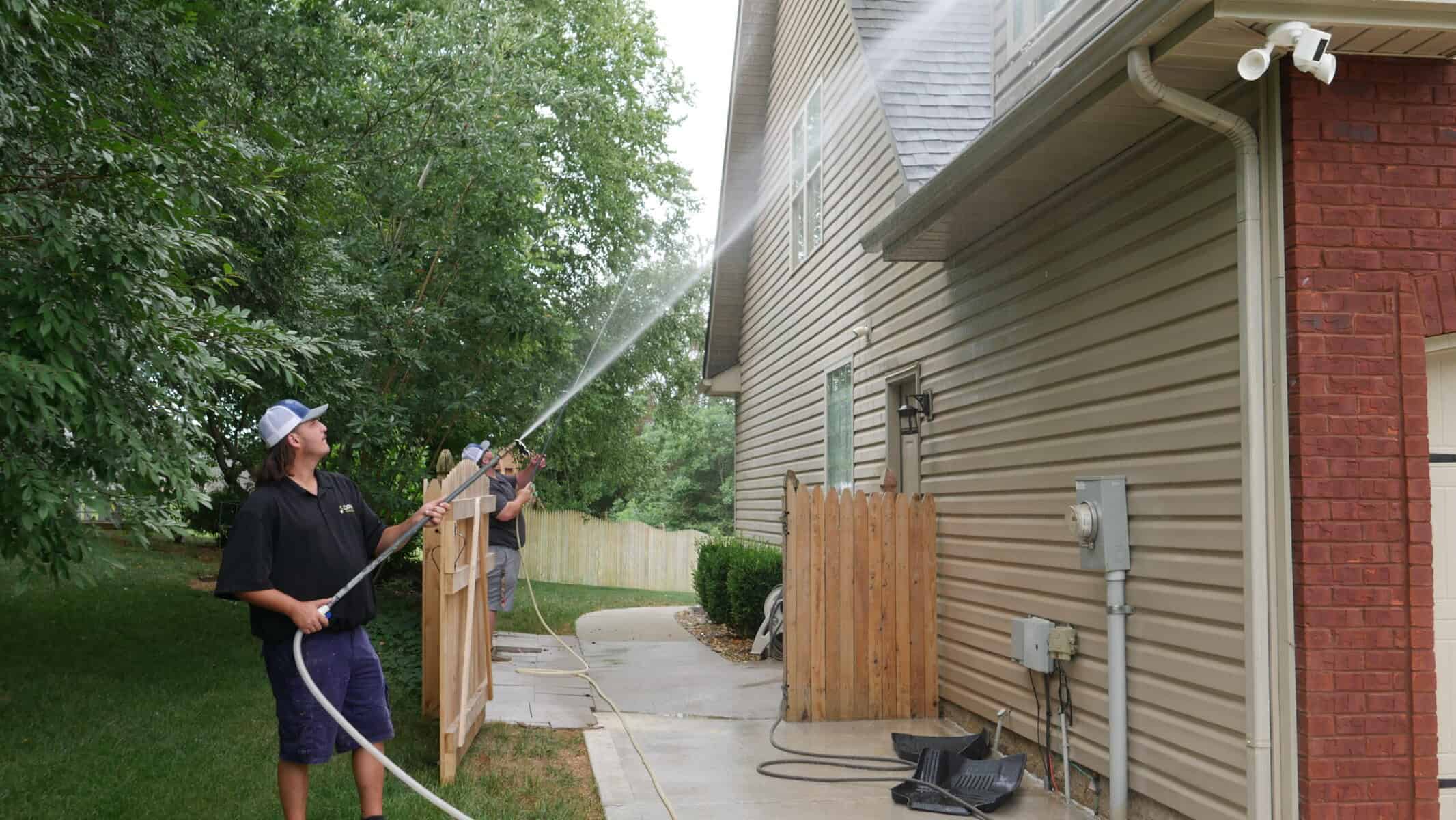
- Regular exterior washing
Reactive surface care, on the other hand, happens after a problem appears:
- Emergency stain removal
- Replacing worn carpet or flooring
- Deep cleaning after visible deterioration
- Addressing safety hazards like slippery or damaged floors
The Science Behind Surface Wear and Why It Matters
Every surface in your facility is constantly undergoing mechanical and chemical stress:
1. Abrasion (Mechanical Wear)
Foot traffic brings in dirt, sand, and debris. These particles act like sandpaper, gradually breaking down surfaces, especially:
- Carpet fibers (leading to matting and discoloration)
- Floor finishes (causing dullness and wear patterns)
- Hard surfaces like tile and concrete
Proactive solution: The removal of abrasive soils prevents micro-damage from compounding over time.
2. Chemical Breakdown
Spills, cleaning chemicals, and environmental contaminants can alter the chemical structure of surfaces:
- Acids can etch natural stone and concrete
- Alkaline residues can degrade finishes
- Oils and organic matter can stain porous materials
Proactive solution: Proper cleaning intervals and correct chemical usage neutralize contaminants before they cause permanent damage.
3. Moisture Intrusion
Moisture is one of the biggest threats to building materials:
- It can weaken adhesives in flooring systems
- Promote mold and mildew growth
- Cause expansion, warping, or cracking
Proactive solution: Routine cleaning and sealing help control moisture exposure and maintain structural integrity.
Cost Comparison: Proactive vs. Reactive
Short-Term Thinking (Reactive)
At first glance, reactive care seems cheaper:
- Fewer scheduled services
- Lower immediate expenses
But over time, costs compound due to:
- Premature replacement of flooring and materials
- Increased labor for deep restoration
- Operational disruptions (closing areas for repairs)
- Liability risks from unsafe conditions
Long-Term Strategy (Proactive)
Proactive care spreads costs out and significantly reduces major expenses:
- Extends lifecycle of assets (often by 2–3x)
- Maintains consistent appearance (important in corporate and educational settings)
- Reduces emergency service calls
- Improves indoor air quality and safety
Example: Replacing commercial carpet in an office building can cost $20–$40 per square yard installed. A proactive maintenance program that includes routine cleaning can extend carpet life by several years, delaying that capital expense.
Real-World Applications by Facility Type
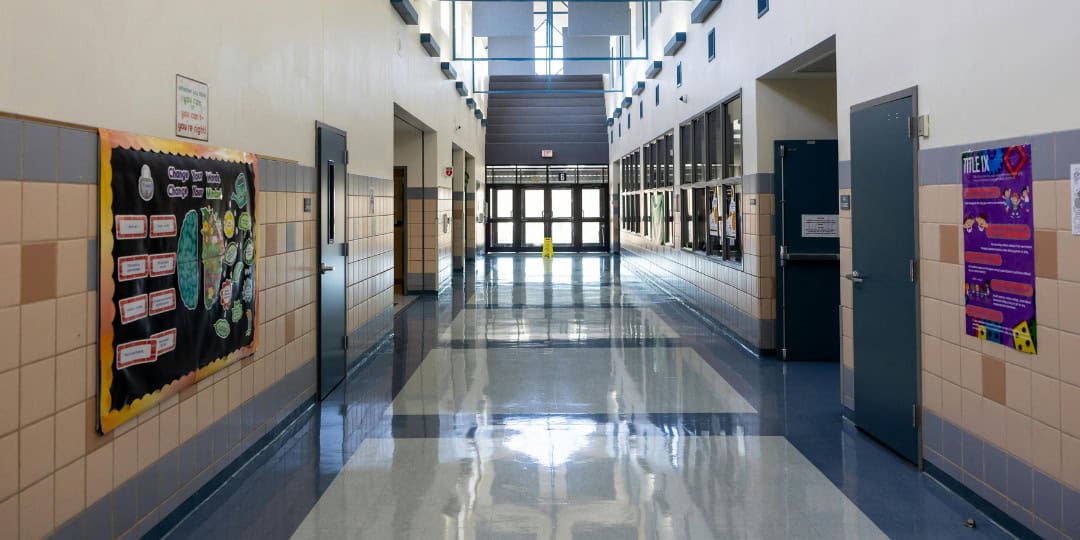
Schools & Educational Facilities
- High foot traffic = accelerated wear
- Budget constraints demand long-term planning
Proactive impact: Keeps floors safe for students, reduces slip hazards, and stretches limited budgets.
Office Buildings & Corporate Spaces
- First impressions matter
- Brand image is tied to cleanliness and upkeep
Proactive impact: Maintains a polished, professional environment while avoiding costly downtime.
Healthcare & Government Facilities
- Strict cleanliness and safety standards
- High liability exposure
Proactive impact: Supports compliance, reduces contamination risks, and protects both patients and staff.
Hidden Costs of Reactive Maintenance
Reactive strategies often ignore indirect costs, including:
- Downtime: Closing off areas for repairs disrupts operations
- Tenant dissatisfaction: Poor appearance can impact retention
- Increased labor intensity: Restoration is always more expensive than maintenance
- Asset depreciation: Neglected surfaces lose value faster
The ROI of Proactive Surface Care
From a financial standpoint, proactive maintenance is about asset management, not just cleaning.
Think of it this way:
- Surfaces are investments
- Maintenance is protection of that investment
A well-designed surface care plan:
- Reduces total cost of ownership
- Improves budgeting predictability
- Enhances occupant experience
- Protects long-term property value
How to Implement a Proactive Plan
For facility managers ready to shift strategies, start here:
- Assess Your Surfaces: Identify flooring types, traffic patterns, and high-risk areas.
- Create a Maintenance Schedule: Base frequency on usage, not just appearance.
- Use the Right Methods & Products: Match cleaning chemistry and techniques to each surface type.
- Partner with Experts: Specialized providers can help optimize your plan and maximize ROI.
Final Verdict: Which Saves More?
Proactive surface care is the clear winner.
While reactive maintenance may seem cost-effective in the short term, it leads to higher long-term expenses, more disruptions, and faster asset deterioration. Proactive strategies, grounded in the science of material wear and preservation, deliver measurable savings and better-performing facilities.
Ready to Build a Smarter Surface Care Plan?
If you’re relying on reactive cleaning, you’re likely spending more than you need to, and shortening the lifespan of your facility’s surfaces in the process.
At DPM Surface Care, we specialize in helping facility managers and property managers create custom proactive maintenance plans tailored to your building, traffic levels, and budget. From carpet and tile to concrete, coatings, and exterior surfaces, our team knows how to protect your investment and keep your facility looking its best year-round.
Contact your nearest DPM Surface Care location today to schedule a consultation and build a routine maintenance plan that works for you:
- Knoxville, TN: (865) 692-8337
- Chattanooga, TN: (423) 455-0830
- Nashville, TN: (615) 780-2136
Or request a quote online by clicking here. Instead of waiting for problems to show up, let’s get ahead of them.