
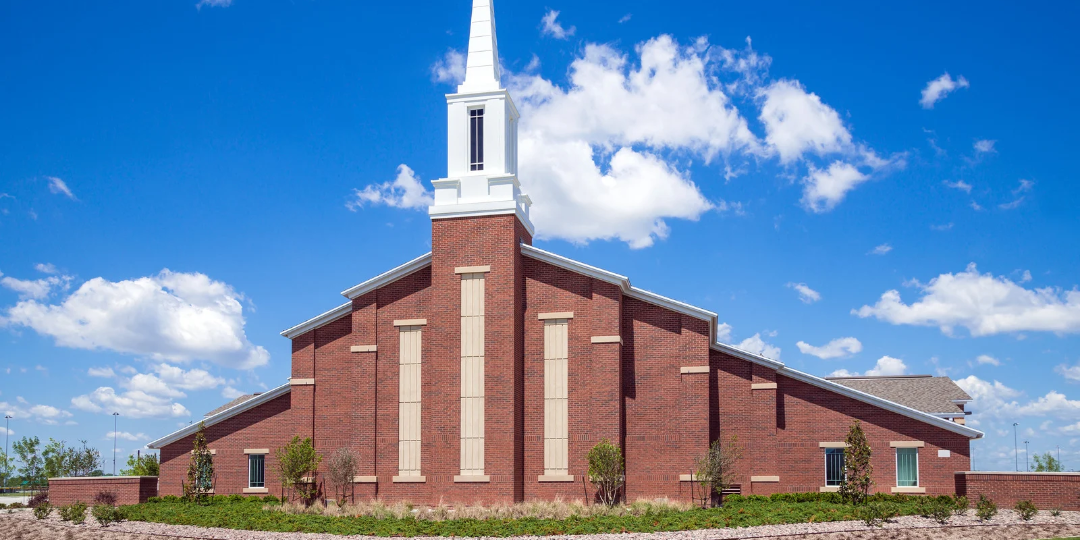
Churches are more than buildings. They are places where people gather to worship, build relationships, serve their communities, and celebrate important moments in life. Managing church facilities is essential to ensuring every member and visitor feels welcome, comfortable, and safe.
Like any facility, churches require ongoing maintenance, thoughtful planning, and consistent cleaning to remain in good condition. From caring for high-traffic flooring to keeping HVAC systems running efficiently, effective facility management involves more than addressing problems as they arise.
Whether your church has a dedicated facility manager, a small maintenance team, or volunteers who help keep things running, a proactive approach can make a significant difference. In this article, we’re sharing six tips for managing church facilities to help you maintain your building, control operating costs, and create a clean, safe, and welcoming environment for your congregation.
Why Church Facility Management Matters
Church facilities often serve multiple purposes throughout the week, hosting worship services, community events, meetings, youth programs, and other activities. This frequent use makes consistent facility management especially important.
An effective facility management plan helps churches:
- Maintain a safe environment. Regular inspections, prompt repairs, and proper cleaning help reduce potential hazards for congregants, staff, and visitors.
- Create a welcoming atmosphere. Clean floors, well-maintained restrooms, and cared-for common areas contribute to a positive experience for everyone who enters the building.
- Protect long-term investments. Preventative maintenance helps extend the life of building systems, flooring, and other facility assets.
- Manage operating expenses. Planning ahead for maintenance and repairs can help avoid costly emergencies and unexpected disruptions.
- Support ministry and community activities. A well-maintained building allows church leaders and staff to focus on serving their congregation rather than dealing with preventable facility issues.
6 Tips for Effective Church Facility Management
1. Prioritize Preventative Maintenance
Waiting until something breaks to address it can lead to expensive repairs, operational disruptions, and unnecessary stress. A proactive maintenance plan helps churches identify potential problems before they become major issues.
Start by creating a schedule for inspecting critical building systems and structural components, including:
- HVAC systems, filters, and ventilation
- Roofing, gutters, and drainage
- Plumbing and electrical systems
- Doors, windows, and entryways
- Flooring, stairs, and walkways
- Fire safety equipment and emergency exits
Keep records of inspections, repairs, and equipment servicing so you can identify recurring issues and plan for future expenses. It is also helpful to maintain a list of major facility assets, their approximate ages, and anticipated replacement timelines.
Facility management tip: Create a simple maintenance calendar that outlines daily, monthly, seasonal, and annual responsibilities. Assign each task to a staff member, maintenance professional, or volunteer to help ensure nothing gets overlooked.
2. Establish a Consistent Cleaning Schedule
Churches experience different levels of activity throughout the week. Sunday services may bring large crowds into the building, while weekday programs and special events create additional cleaning demands. A consistent cleaning schedule helps maintain a presentable facility without requiring staff to constantly catch up on missed tasks.
Your cleaning plan should address frequently used spaces, including:
- Sanctuaries and worship areas
- Fellowship halls and multipurpose rooms
- Classrooms and children’s ministry areas
- Offices and meeting rooms
- Restrooms and kitchens
- Lobbies, hallways, and entrances
Daily or after-event tasks may include emptying trash, sanitizing frequently touched surfaces, spot-cleaning floors, and restocking supplies. Weekly and periodic tasks can include detailed dusting, interior glass cleaning, floor care, and deeper restroom cleaning. Remember to account for seasonal needs and special events. Weddings, holiday services, funerals, and large community gatherings may require additional preparation and cleanup.
Facility management tip: Use a shared checklist or digital calendar to track completed tasks and communicate responsibilities among staff and volunteers. A clear system helps maintain consistent standards, even when different people handle cleaning duties.
3. Protect Flooring With a Planned Maintenance Program
Flooring is one of the most heavily used surfaces in a church facility. Congregants, staff, children, and visitors move through entrances, hallways, classrooms, and worship areas every week. Over time, that traffic can cause visible wear, embedded soil, stains, and deterioration. Different flooring materials require different maintenance approaches.
To help protect your church’s flooring:
- Place entry mats at exterior doors to capture dirt and moisture before they spread throughout the building.
- Vacuum carpeted areas regularly, especially in entrances and high-traffic walkways.
- Address spills and stains promptly using products and techniques appropriate for the flooring material.
- Use manufacturer-recommended cleaning products and procedures to avoid damaging floor finishes.
- Schedule professional carpet cleaning and hard-surface floor maintenance based on traffic levels and the condition of the flooring.
Routine maintenance can help preserve the appearance of your floors and extend their useful life. It can also help churches avoid premature replacement, which may require a significant financial investment and disrupt normal building activities.
Facility management tip: Work with a commercial floor care provider to develop a maintenance schedule tailored to your building. High-traffic entrances, fellowship halls, and main corridors may need more frequent attention than rooms used only occasionally.
4. Improve Energy Efficiency and Manage Utility Costs
Heating, cooling, and lighting can account for a substantial portion of a church’s operating expenses, particularly in older buildings or facilities with large gathering spaces. Reviewing energy usage can reveal opportunities to reduce waste without sacrificing comfort.
Consider these strategies:
- Replace outdated lighting with energy-efficient LED fixtures where appropriate.
- Use programmable thermostats to adjust temperatures around worship services, meetings, and other scheduled activities.
- Replace HVAC filters regularly and schedule professional system maintenance.
- Seal gaps around doors and windows to reduce unwanted air leakage.
- Inspect insulation, roofing, and ventilation for potential efficiency improvements.
- Turn off lights and equipment in unoccupied spaces when practical.
- It is also worth reviewing utility bills over time to identify unusual increases in energy consumption. If your budget allows, an energy audit can help pinpoint larger improvement opportunities and prioritize upgrades based on potential savings.
Facility management tip: Coordinate building schedules with HVAC and lighting settings. There is often little benefit to heating or cooling every room to full occupancy levels when only a small portion of the building is being used.
5. Plan Ahead for Seasonal Maintenance and Building Needs
Church facility needs change throughout the year. Seasonal weather, changing attendance patterns, and special events can all affect maintenance priorities. Developing a seasonal maintenance plan helps ensure your facility is prepared for changing conditions rather than reacting to problems after they occur.
Spring and Summer:
- Inspect roofs, gutters, and exterior drainage after periods of heavy rain.
- Schedule exterior building cleaning and window washing as needed.
- Check HVAC performance before the hottest months.
- Review landscaping, irrigation, and exterior walkways.
- Evaluate flooring and carpet conditions following busy spring events.
Fall and Winter:
- Service heating systems before colder weather arrives.
- Inspect doors and windows for drafts or damaged seals.
- Review entry mats and floor-cleaning procedures for wet-weather conditions.
- Check walkways, stairs, and entrances for potential slip hazards.
- Prepare cleaning and maintenance plans for holiday services and other high-attendance events.
Seasonal planning is also an opportunity to review your facility budget and identify upcoming projects. Knowing what needs attention in the next six to twelve months makes it easier to prioritize spending and schedule work around church activities.
6. Build a Facility Team and Establish Clear Responsibilities
Church facility management can be shared among staff, volunteers, maintenance professionals, and outside service providers. Assign clear responsibilities for inspections, cleaning, supplies, event setup, and maintenance requests, along with a simple process for reporting issues.
Volunteers can help with basic upkeep, organizing, and event preparation, while specialized work involving HVAC, electrical systems, or structural repairs should be handled by qualified professionals. Professional services for floor care, exterior washing, and other specialized maintenance can also help protect building materials and deliver consistent, long-term results.
Facility management tip: Hold periodic facility reviews with staff and volunteers to discuss upcoming events, recurring maintenance concerns, and areas that need additional attention. Regular communication helps keep everyone aligned and reduces the likelihood of important tasks falling through the cracks.
Keep Your Church Facility Ready to Serve
A well-maintained church facility supports more than the building itself. It helps create a safe, comfortable, and welcoming space for worship, fellowship, and community service. By prioritizing preventative maintenance, establishing consistent cleaning routines, protecting flooring, improving energy efficiency, planning for seasonal needs, and coordinating facility responsibilities, churches can make better use of their resources and protect their buildings for years to come. The most effective approach is to focus on consistent care rather than waiting for problems to develop. Small, proactive steps can help prevent larger expenses and keep your facility ready for the people who depend on it.
Need Professional Floor Care for Your Church?
High-traffic carpet and hard-surface flooring benefit from specialized cleaning and maintenance to help preserve their appearance and extend their service life.
DPM Surface Care provides commercial cleaning and floor care services to help facilities maintain clean, professional, and well-maintained environments. From carpet cleaning to hard-surface floor care, our team can help you develop a maintenance approach suited to your building’s needs.
Contact DPM Surface Care to discuss your church’s facility maintenance needs and request a quote.