Commercial carpet deals with spills, tracked-in dirt, food, beverages, and heavy foot traffic every day. While routine professional carpet cleaning is essential for maintaining the overall condition of your flooring, spot cleaning is an important part of keeping carpet looking clean between scheduled cleanings.
When spots are addressed promptly and correctly, facility teams can help prevent small spills from becoming noticeable, set-in stains.
Why Spot Cleaning Matters
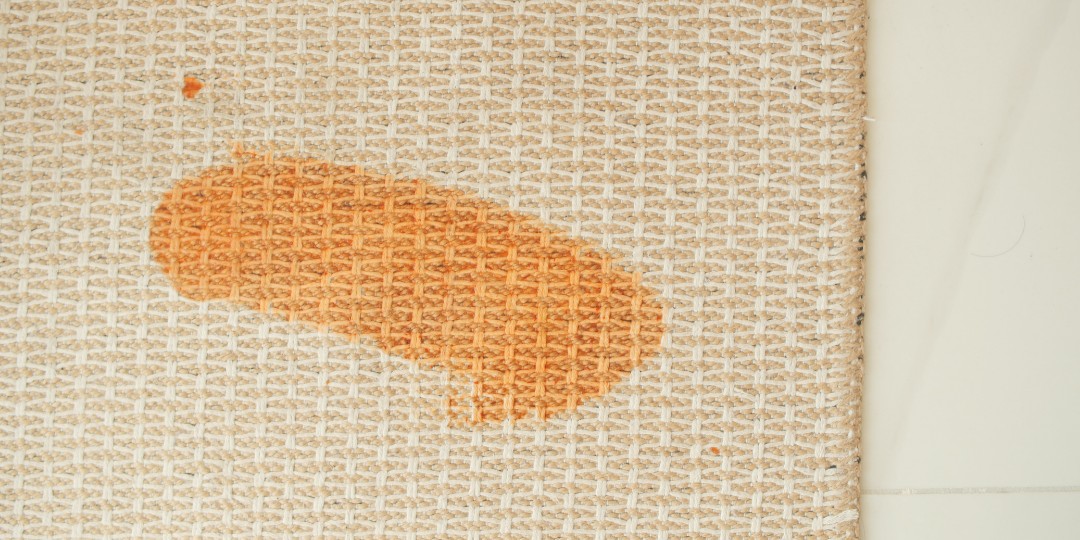
A single stain can stand out against otherwise clean carpet, particularly in high-traffic or highly visible areas. If a spill is left untreated, it can penetrate the carpet fibers, attract additional dirt, and become more difficult to remove over time.
That’s why prompt spot treatment should be part of your facility’s regular carpet maintenance routine.
The goal isn’t to deep clean the entire carpet every time a spill occurs. Instead, spot cleaning allows you to quickly address localized areas that need attention while maintaining the appearance of the surrounding carpet.
3 Techniques for Effective Commercial Carpet Spot Cleaning
Knowing how to approach a spot can make a difference in the results. While the appropriate treatment will depend on the type of stain and carpet, these basic techniques can help with routine spot cleaning.
1. Act Quickly
When a spill happens, don’t wait until the next scheduled carpet cleaning to address it. The sooner a spot is treated, the less time the substance has to absorb into the carpet fibers. If possible, address spills as soon as they are noticed. Begin by removing any excess material or liquid from the surface before applying a carpet-safe cleaning solution.
The longer a spot sits, the more difficult it may be to remove.
2. Use the Right Amount of Cleaning Solution
More cleaning solution doesn’t necessarily mean better results. Applying too much product can oversaturate the carpet and potentially leave behind residue or create visible rings as the carpet dries. Apply enough solution to treat the affected area without soaking the surrounding carpet. For liquid spills, blot or remove excess moisture first, then apply an appropriate spot-cleaning product according to its directions.
It is also important to use a product that is appropriate for the carpet and the type of stain you’re treating.
3. Give the Product Time to Work
One common mistake when spot cleaning is immediately scrubbing after applying a cleaning solution. Many products need time to break down or loosen the material before agitation.
Allow the product to dwell for the recommended amount of time before gently agitating the area with an appropriate brush or cleaning tool. Avoid aggressive scrubbing. Excessive agitation can spread the spot or potentially damage carpet fibers.
Avoid Oversaturating the Carpet
One of the most important principles of spot cleaning is controlling moisture. Using too much water or cleaning solution can cause a spot to spread beyond the original affected area. Excess moisture can also increase drying time and potentially contribute to visible rings or other carpet issues.
When treating a spot, focus the cleaning solution on the affected area and use only what is necessary.
Different Stains Require Different Approaches
Not every carpet spot should be treated the same way. Food, beverages, oils, dirt, dyes, adhesives, and other substances can interact differently with carpet fibers. Using the wrong cleaning product or technique may make the stain more difficult to remove or potentially damage the carpet.
For routine maintenance, use products specifically designed for commercial carpet and follow the manufacturer’s recommendations. If you’re unsure what caused a stain or how to treat it, it’s best to consult a professional rather than experimenting with multiple cleaning products.
When Spot Cleaning Isn’t Enough
Spot cleaning is designed to address localized areas between professional cleanings, not replace a comprehensive carpet maintenance program. If a stain remains after proper spot treatment, continues to reappear, or covers a larger area, professional carpet cleaning may be necessary. Some difficult stains, including certain dyes, adhesives, and deeply embedded substances, may require specialized treatment.
Professional cleaning also addresses the dirt and soil that accumulate throughout the carpet, including areas that may not have visible stains.
Make Spot Cleaning Part of Your Facility’s Maintenance Routine
For facility managers, having a simple spot cleaning process can help keep commercial carpet looking cleaner between scheduled services.
Consider:
- Checking high-traffic areas regularly for new spots
- Addressing spills as soon as they are discovered
- Keeping appropriate spot-cleaning supplies readily available
- Training staff on basic spot-cleaning procedures
- Avoiding excessive moisture and aggressive scrubbing
- Calling a professional when a stain requires specialized treatment
A proactive approach to spot cleaning, combined with regular professional carpet maintenance, can help preserve the appearance and longevity of your commercial carpet.
Spot Cleaning FAQs
How quickly should I treat a carpet spot?
As soon as possible. Prompt treatment gives you the best opportunity to remove a spill before it penetrates deeper into the carpet fibers or becomes more difficult to remove.
Should I scrub a carpet stain?
Avoid aggressive scrubbing. Excessive agitation can spread the spot or damage carpet fibers. Instead, use an appropriate cleaning solution and gently agitate the area when recommended.
How much cleaning solution should I use?
Use enough product to treat the affected area without oversaturating the carpet. Too much moisture can increase drying time and potentially cause visible rings or other issues.
Can I use any carpet cleaner on commercial carpet?
No. Cleaning products should be compatible with the specific carpet fibers and the type of stain being treated. Using the wrong product can potentially leave residue, cause discoloration, or damage carpet fibers.
Can spot cleaning replace professional carpet cleaning?
No. Spot cleaning addresses individual spills and stains between scheduled cleanings. Routine professional cleaning is still necessary to remove accumulated soil and maintain the carpet throughout the facility.
What should I do if a spot won’t come out?
Avoid repeatedly applying different cleaning products. Some stains require specialized treatment, and additional DIY attempts could make removal more difficult. A professional carpet cleaning provider can evaluate the spot and determine the appropriate treatment.
What are some of the most difficult carpet stains to remove?
Dyes, adhesives, certain food stains, oils, and deeply embedded substances can be particularly challenging. The difficulty of removal depends on the substance, the carpet fibers, and how long the spot has been present.
How can facility managers make spot cleaning easier?
Create a simple process for identifying and addressing spills. Keep appropriate spot cleaning supplies accessible, encourage staff to report spills promptly, and regularly inspect high-traffic areas. Pairing these practices with scheduled professional carpet cleaning provides a more complete approach to carpet maintenance.
Need Help With Commercial Carpet Care?
Spot cleaning can help maintain your carpet between professional cleanings, but some stains require a more specialized approach. DPM Surface Care provides commercial carpet cleaning and stain treatment for facilities throughout Middle and East Tennessee.
Request a quote or schedule a free site assessment to learn how DPM can help maintain your facility’s carpet.