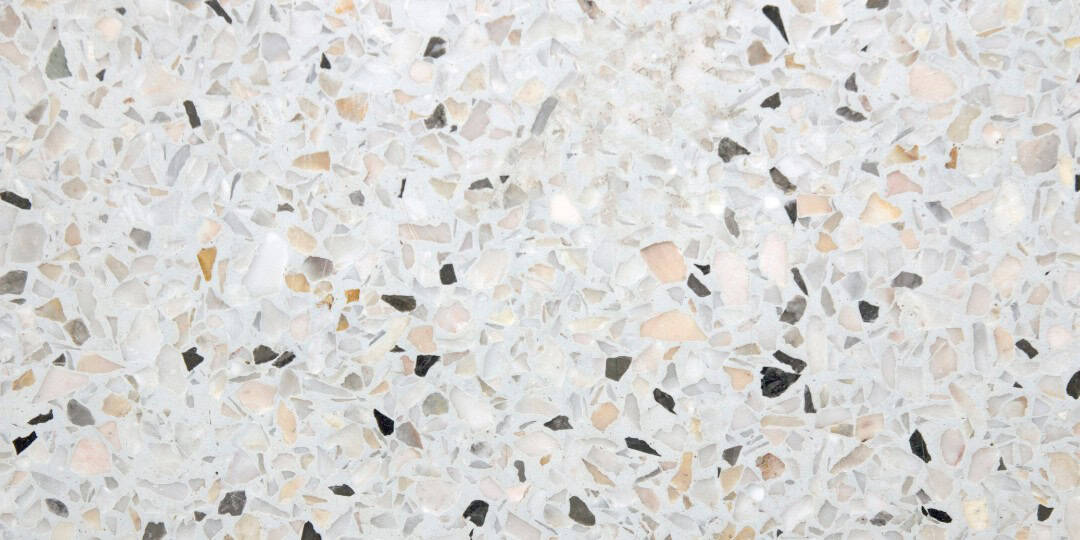
When it comes to durable, attractive flooring in commercial spaces, terrazzo and polished concrete are two of the most popular choices. Both offer long lifespans, low ongoing maintenance compared to other flooring types, and a clean, professional appearance, making them ideal for office buildings, schools and universities, healthcare facilities, and government buildings. But while they may look similar at first glance, terrazzo and polished concrete require different maintenance approaches to keep them performing and looking their best. For facility managers and property managers, understanding these differences can help you protect your flooring investment, extend the life of your surfaces, and avoid costly repairs.
What’s the Difference Between Terrazzo and Polished Concrete?
Before diving into maintenance, it’s important to understand how these surfaces differ.
Terrazzo Flooring
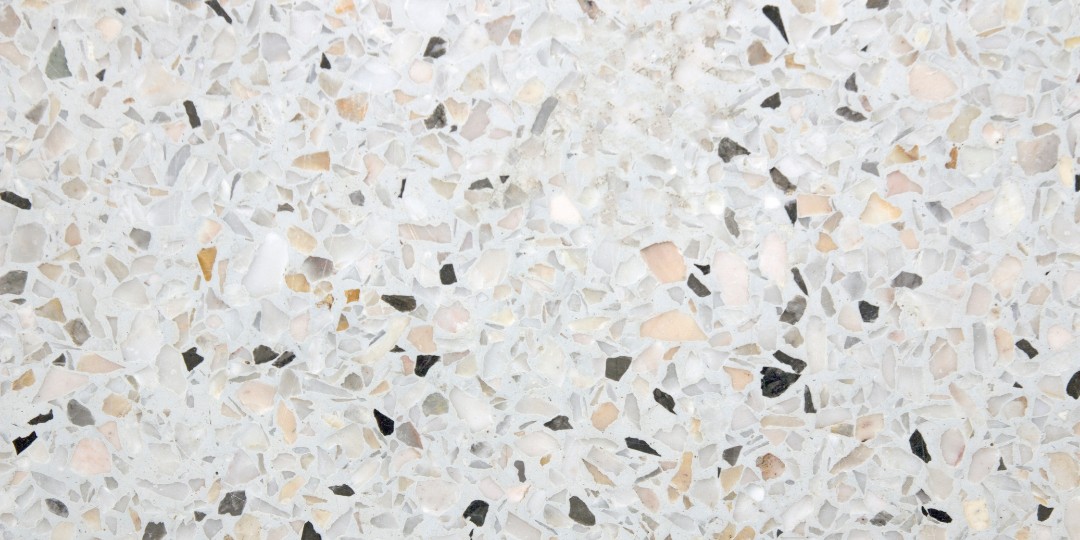
Terrazzo is a decorative composite surface made from marble, quartz, granite, or glass chips embedded in cement or epoxy, then ground and polished to a smooth finish. Terrazzo is known for its elegant appearance, durability, and long lifespan, often lasting decades with proper care. It’s often found in:
- University campuses and school hallways
- Government buildings and courthouses
- Hospitals and healthcare facilities
- High-end office lobbies and common areas
Polished Concrete
Polished concrete is an existing concrete slab that has been mechanically ground, densified, and polished to create a smooth, reflective finish. Polished concrete is valued for its modern aesthetic, affordability, and low maintenance requirements. It’s increasingly popular in:
- Commercial offices
- Educational facilities
- Retail spaces
- Industrial and municipal buildings
Key Maintenance Differences Between Terrazzo and Polished Concrete
1. Cleaning Frequency & Daily Care
Terrazzo
Terrazzo requires routine dust mopping and damp mopping using neutral-pH cleaners. Acidic or harsh chemicals can damage the finish and dull its appearance over time.
- Best practices: To keep terrazzo looking its best, follow a consistent maintenance routine that includes daily dust mopping to remove abrasive dirt, damp mopping with an approved terrazzo cleaner, and immediate cleanup of spills to help prevent staining. Installing walk-off mats at entrances can also reduce the amount of grit tracked onto the surface, helping protect the floor and extend its lifespan.
- Facility manager tip: In high-traffic schools or government buildings, terrazzo can lose its shine faster if dirt is allowed to sit on the surface.
Polished Concrete
Polished concrete also benefits from regular dust removal, but it generally tolerates heavy traffic exceptionally well. However, using the wrong cleaner can degrade the surface’s shine.
- Best practices: To maintain polished concrete, follow a routine care plan that includes daily microfiber dust mopping, auto-scrubbing with a pH-neutral cleaner, and prompt spill cleanup to help prevent staining. It’s also important to avoid soap-based cleaners, which can leave behind residue and dull the floor’s appearance over time.
- Facility manager tip: Polished concrete can appear dull if dirt buildup creates micro-abrasion, especially in busy office corridors or student common areas.
2. Restoring Shine
Terrazzo
Terrazzo may require periodic polishing or crystallization to restore gloss, especially in heavily trafficked entrances and corridors. Over time, scratches and wear can reduce clarity and shine, but professional refinishing can often restore terrazzo to like-new condition.
Polished Concrete
Polished concrete generally requires burnishing or re-polishing rather than traditional reseal or coating. Unlike terrazzo, polished concrete’s shine comes from the mechanical polishing process, not a topical finish, so restoration typically involves diamond abrasives and specialized equipment. Key difference: Terrazzo often needs surface polishing, while polished concrete may need mechanical re-polishing to maintain reflectivity.
3. Stain Resistance & Surface Protection
Terrazzo
While highly durable, terrazzo can be porous depending on the system and age of the floor, which means it may require periodic sealing to help resist stains. Common concerns include coffee or food spills in office break rooms, moisture intrusion near entrances, and chemical exposure in educational or municipal settings, all of which can affect the floor’s appearance and long-term performance if not properly managed.
Polished Concrete
4. Long-Term Maintenance Costs
Terrazzo
Terrazzo typically has a higher upfront cost, but with proper maintenance, it can last for generations. However, professional restoration can be more specialized and costly.
Polished Concrete
Polished concrete usually has a lower installation and maintenance cost, making it appealing for budget-conscious facilities. It’s highly durable but may require more frequent touch-up polishing in very high-traffic zones. For facility managers balancing budgets, both surfaces can be excellent investments, but only when maintained correctly.
Common Mistakes That Shorten Floor Life
Whether you manage a university campus, office building, or government facility, these mistakes can lead to premature wear:
- Using harsh or acidic cleaners
- Applying waxes or coatings not designed for the floor type
- Skipping routine dust removal
- Waiting too long to address dullness or stains
- Using inexperienced contractors unfamiliar with specialty surfaces
Professional surface care helps prevent costly restoration down the road.
Is Terrazzo or Polished Concrete Easier to Maintain?
There’s no one-size-fits-all answer. The key is having a maintenance plan tailored to your facility’s traffic levels, environmental conditions, and flooring type. Terrazzo offers unmatched longevity and classic appearance but often requires more specialized care. Polished concrete is generally more budget-friendly and easier to maintain day to day, but still benefits from professional upkeep.
Partner with DPM Surface Care for Expert Terrazzo and Polished Concrete Floor Maintenance
At DPM Surface Care, we help facility managers and property managers protect and extend the life of their commercial flooring, from terrazzo restoration and maintenance to polished concrete cleaning and refinishing. Whether you manage a school, university, office building, or government facility, our team understands the unique demands of high-traffic commercial environments and can recommend the right care plan for your floors. Have questions about your terrazzo or polished concrete floors? Contact DPM Surface Care today to schedule a site visit or learn how professional maintenance can keep your surfaces looking their best.