When thousands of employees, tenants, customers, patients, or students move through a building every week, wear and tear is inevitable. While facility managers are often focused on visible maintenance issues, many of the biggest problems are the ones hiding in plain sight. Whether you manage an office building in Knoxville, a healthcare facility in Nashville, a school in Chattanooga, or a commercial property in the Tri-Cities, recognizing these hidden hazards can help you protect your investment while creating a cleaner, healthier environment for everyone who enters your building. From contaminated carpet fibers to slippery hard floors and dust accumulating above eye level, these overlooked issues can impact safety, indoor air quality, employee health, and the lifespan of your facility’s surfaces. Successful commercial facility maintenance isn’t just about responding to problems, it’s about preventing these hidden hazards before they become expensive repairs or safety concerns.
1. Dirty Carpets Are Holding More Than Dirt
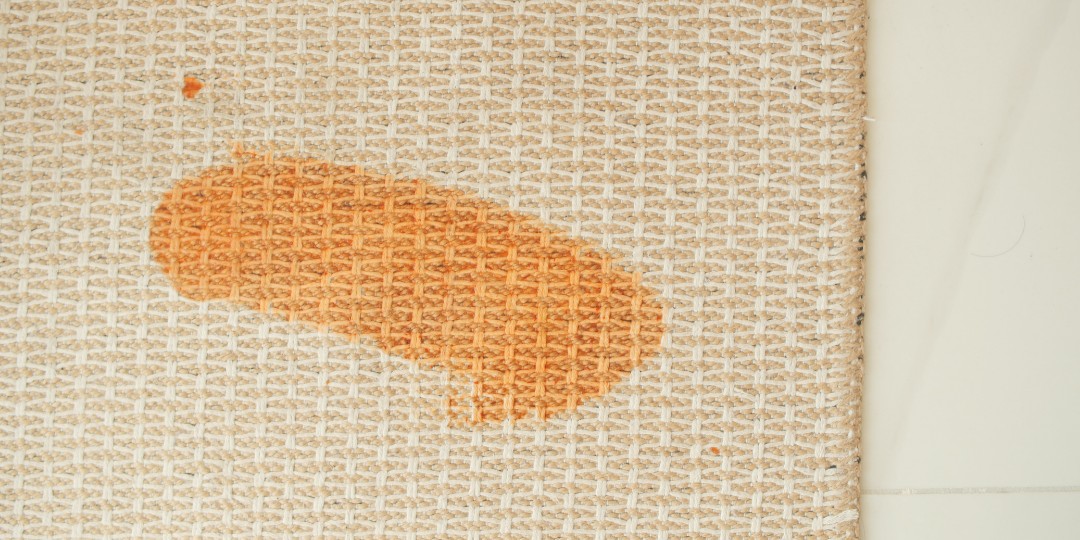
Commercial carpet acts like a giant air filter, trapping dust, pollen, bacteria, allergens, food particles, and moisture brought in by foot traffic. According to the Environmental Protection Agency (EPA), indoor air can be 2 to 5 times more polluted than outdoor air, and carpeting often serves as a reservoir for many of those contaminants. It’s estimated that up to 80% of dirt entering a building is tracked in on shoes. Without routine deep cleaning, abrasive soil particles become embedded in carpet fibers, acting like sandpaper every time someone walks across the surface. Over time, this causes premature wear, discoloration, and permanent damage.
Hidden Risks
- Poor indoor air quality
- Increased allergens
- Lingering odors
- Faster carpet deterioration
- Higher replacement costs
Facility Manager Tip
Routine vacuuming removes surface debris, but it doesn’t remove embedded soil or contaminants. Professional commercial carpet cleaning extracts deep-set dirt, restores carpet appearance, and helps extend the life of one of your building’s largest flooring investments.
2. Hard Floors Can Become Hidden Slip Hazards
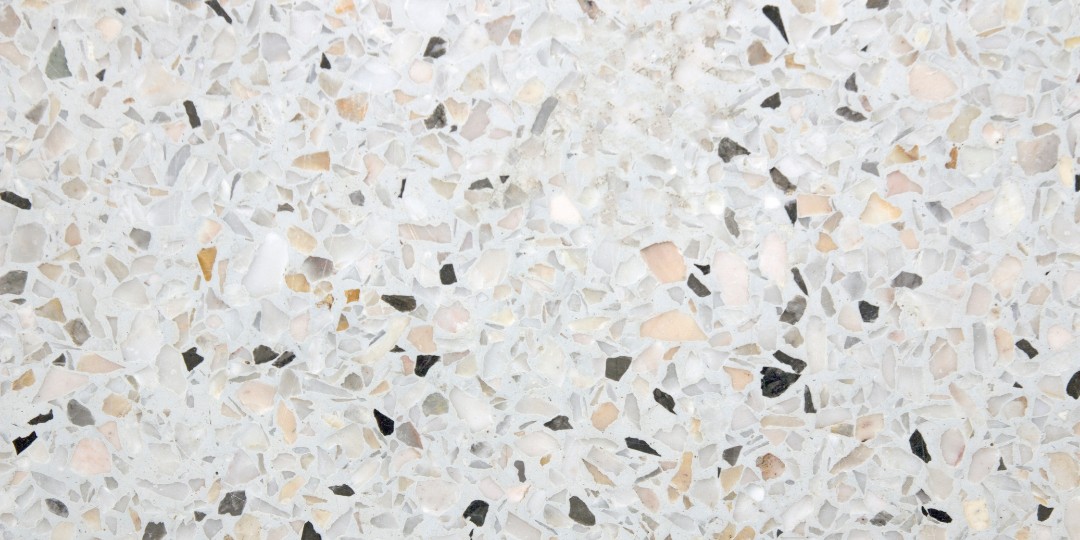
Tile, terrazzo, concrete, luxury vinyl tile (LVT), and other resilient flooring materials are built for durability, but heavy foot traffic gradually wears away protective finishes. As finishes break down, floors begin trapping dirt, grease, moisture, and contaminants that routine mopping can’t completely remove. Ironically, floors that appear dull or dirty are often more slippery than properly maintained floors because soils and cleaning residue create uneven traction. The National Floor Safety Institute (NFSI) reports that slips and falls account for more than one million emergency room visits each year in the United States.
Hidden Risks
- Increased slip-and-fall potential
- Permanent staining
- Damaged floor finishes
- Higher restoration costs
- Negative first impressions
Facility Manager Tip
Periodic deep cleaning, burnishing, stripping and refinishing, grout restoration, terrazzo polishing, and concrete maintenance help restore traction while protecting your flooring investment.
3. Dust Isn’tJust on the Floor
One of the most overlooked areas during commercial facility maintenance is everything above eye level. Ceiling beams, HVAC vents, light fixtures, ductwork, pipes, exposed rafters, and other high surfaces quietly collect dust for months or even years. Eventually, vibrations from HVAC systems and normal building activity cause these particles to fall back into occupied spaces. The result? Dust settles on workstations, inventory, equipment, and flooring shortly after cleaning, while airborne particles continue circulating throughout the building.
Hidden Risks
- Reduced indoor air quality
- Additional HVAC strain
- Increased allergens
- Dirty appearance
- Faster dust accumulation throughout the building
Facility Manager Tip
Scheduling routine high dusting removes accumulated debris before it spreads throughout your facility and helps improve the overall cleanliness of your indoor environment.
4. Office Furniture Can Harbor Thousands of Germs
Soft seating in lobbies, conference rooms, break rooms, waiting areas, and collaborative workspaces receives constant daily use, but often receives very little cleaning. Fabric upholstery absorbs:
- Body oils
- Sweat
- Food crumbs
- Beverage spills
- Dust
- Allergens
- Bacteria
Unlike hard surfaces that are disinfected regularly, upholstered furniture can quietly become one of the most contaminated surfaces in a building. Studies have found that office furniture and shared workplace surfaces can harbor thousands of bacteria per square inch, particularly in high-touch environments.
Hidden Risks
- Odors
- Allergens
- Stains
- Reduced furniture lifespan
- Poor appearance in client-facing areas
Facility Manager Tip
Professional upholstery cleaning removes embedded contaminants while restoring the appearance of furniture, often delaying expensive replacement costs by several years.
5. Restrooms and Entryways Hide Moisture Problems
Restrooms and entrances experience some of the highest moisture levels in any commercial building. Water tracked in from outside combines with soap residue, cleaning chemicals, and foot traffic to create the perfect environment for:
- Mold growth
- Mildew
- Dirty grout
- Bacteria buildup
- Odors
Even when floors appear clean, grout lines can trap years of contaminants that standard mopping simply cannot remove. Likewise, entryways collect road salt, mud, pollen, oils, and moisture every day. Left untreated, these materials spread throughout the building and accelerate wear on every flooring surface.
Hidden Risks
- Mold and mildew
- Odors
- Discolored grout
- Increased slip hazards
- Surface deterioration
Facility Manager Tip
Professional tile and grout cleaning restores grout color, removes embedded contaminants, and helps maintain a cleaner, healthier environment throughout the building.
Why Hidden Hazards Cost More Than You Think
Many maintenance issues don’t become obvious until significant damage has already occurred. Waiting until carpet must be replaced, grout permanently stains, terrazzo loses its shine, or concrete begins deteriorating often leads to much higher costs than preventative maintenance. Preventative care also helps facilities maintain a professional appearance that leaves a positive impression on visitors, employees, and customers alike.
Signs Your Building May Need Professional Surface Care
If you notice any of these warning signs, it may be time to schedule a professional assessment:
- Carpet looks dull even after vacuuming
- Hard floors have lost their shine
- Grout appears permanently dirty
- Upholstered furniture has stains or odors
- Dust quickly returns after cleaning
- Floors become slippery when wet
- Entryways show excessive wear
- Indoor air feels dusty or stale
Addressing these hidden hazards early can significantly extend the life of your building’s surfaces while reducing long-term maintenance costs.
A Preventative Maintenance Plan Protects Your Investment
Every commercial building is different, which is why maintenance schedules should be tailored to your facility’s traffic levels, flooring types, occupancy, and operational needs. A comprehensive surface maintenance program may include:
- Commercial carpet cleaning
- Upholstery cleaning
- Tile and grout restoration
- Terrazzo polishing
- Concrete cleaning and maintenance
- High surface dusting
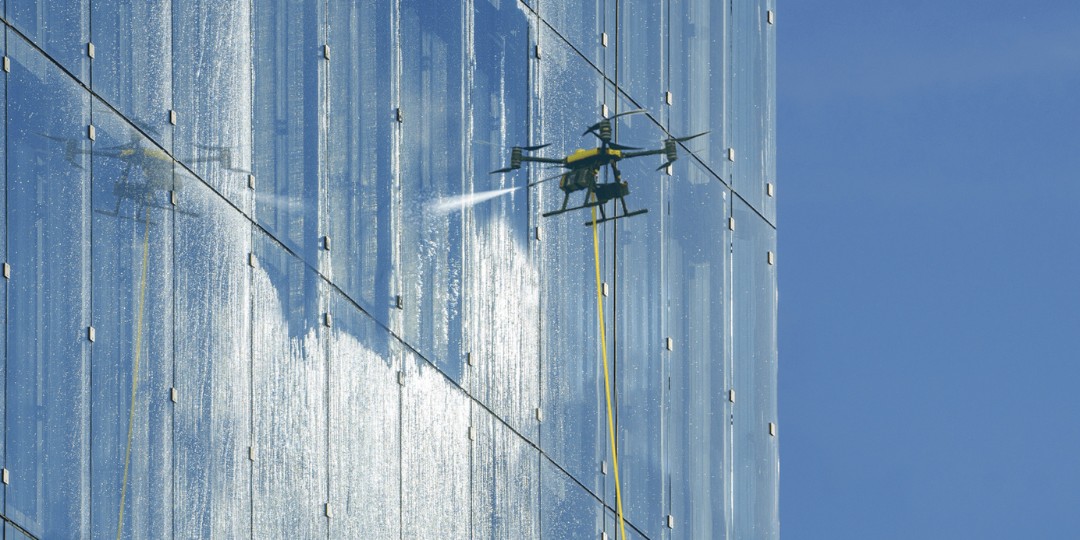
- Commercial window cleaning
- Resilient floor maintenance
- Protective floor coatings
Rather than reacting to problems after they develop, preventative maintenance keeps your facility cleaner, safer, and more cost-effective year-round.
Partner with DPM Surface Care
At DPM Surface Care, we help facility managers and property managers throughout Knoxville, Nashville, Chattanooga, and the Tri-Cities protect their buildings through customized commercial facility maintenance solutions. Whether you oversee a corporate office, healthcare facility, educational campus, government building, industrial property, or multi-tenant commercial space, our experienced team develops maintenance plans designed around your building’s unique needs, not a one-size-fits-all schedule. Our goal is simple: help you extend the life of your facility’s surfaces, improve safety, create a healthier environment, and reduce long-term maintenance costs.
Ready to identify the hidden hazards in your building?
Contact DPM Surface Care today to schedule your free site visit. We’ll evaluate your facility for any hidden hazards, discuss your maintenance goals, and recommend a customized cleaning and surface care plan that keeps your building looking its best all year long.
Frequently Asked Questions About Hidden Hazards
How often should commercial carpets be professionally cleaned?
High-traffic commercial facilities typically benefit from professional carpet cleaning every 3–6 months, while lower-traffic areas may only require annual cleaning. The ideal schedule depends on foot traffic, industry, and the type of contaminants entering the building.
Why is preventative commercial facility maintenance important?
Preventative maintenance helps extend the life of flooring, upholstery, and other building surfaces while reducing repair costs, improving safety, and maintaining a professional appearance.
What surfaces should be included in a commercial maintenance program?
A comprehensive maintenance program should include carpets, tile and grout, terrazzo, resilient flooring, concrete, upholstery, high surfaces, and commercial windows.
How can facility managers improve indoor air quality?
Routine carpet cleaning, high dusting, upholstery cleaning, HVAC maintenance, and entryway cleaning all help reduce dust, allergens, and airborne contaminants, contributing to a healthier indoor environment.