Tile flooring is one of the most durable and attractive surface options for commercial buildings, but if you manage an office, school, healthcare facility, or government building, you’ve probably noticed one persistent issue: tile grout gets dirty fast.
Even when tile itself looks relatively clean, grout lines can quickly become dark, stained, and dingy, making the entire floor appear older and less maintained. For facility and property managers, dirty grout isn’t just a cosmetic issue, it can impact building appearance, occupant perception, and long-term flooring costs.
It can also contribute to unpleasant odors, as porous grout traps grease, moisture, and bacteria. In kitchens and restrooms especially, embedded buildup can lead to lingering smells that affect how clean and fresh the space feels.
So why does tile grout seem to attract dirt so quickly? More importantly, what can you do to prevent it?
1. Tile Grout Is Naturally Porous
The biggest reason grout gets dirty so fast is simple: it’s designed to absorb. Unlike the glazed tile surrounding it, grout is a porous material filled with tiny microscopic holes. These pores easily trap:
- Dirt and dust
- Moisture
- Cleaning chemical residue
- Food and beverage spills
- Oils from foot traffic
- Bacteria and contaminants
In high-traffic commercial settings like schools, universities, office buildings, hospitals, and municipal facilities, those contaminants build up quickly, especially in entryways, restrooms, break rooms, and corridors. Without proper maintenance, grout essentially acts like a sponge, locking in soil and discoloration over time.
2. Heavy Foot Traffic Pushes Dirt Deeper Into Grout
Commercial facilities experience significantly more foot traffic than residential spaces, and every step can push debris deeper into grout lines.
Think about the amount of dirt brought in daily from:
- Shoes tracking in outdoor debris
- Rolling carts and equipment
- Student backpacks and classroom movement
- Employees and visitors moving throughout the building
- Weather-related moisture, salt, and mud
Over time, this repeated pressure compacts dirt into grout, making routine mopping less effective. The result? Floors that may be technically “cleaned” regularly but still look dirty and worn.
3. Traditional Mopping Can Make It Worse
Many facility teams rely on standard mopping as part of daily floor care, but unfortunately, this can sometimes contribute to grout discoloration.
Here’s why:
- Dirty mop water can redistribute soil into grout lines
- Excess moisture allows contaminants to settle deeper
- Soap residue can leave behind a sticky film that attracts more dirt
- Improper chemical use can break down grout sealers
If your tile floors never seem to look fully clean after mopping, your grout may be holding onto embedded soil that requires professional extraction.
4. Grout Sealers Wear Down Over Time
Most grout is sealed after installation to help protect it, but that protection doesn’t last forever.
In commercial environments, sealers can wear down faster due to:
- Frequent cleaning
- High traffic volume
- Harsh cleaning chemicals
- Abrasion from dirt and grit
Once the protective barrier is gone, grout becomes even more vulnerable to staining and soil penetration. Routine professional maintenance helps restore protection and extend the life of your flooring.
5. Dirty Tile Grout Impacts Building Appearance More Than You Think
Facility managers often focus on major maintenance priorities, but flooring plays a major role in how people perceive your building.
Dark, stained grout can make a space feel:
- Less sanitary
- Poorly maintained
- Older than it is
- Less welcoming to employees, students, and visitors
Even if your tile itself is in good condition, dirty grout can dramatically reduce the overall appearance of your facility. For property managers, this can affect tenant satisfaction. For schools and universities, it impacts campus presentation. For office and government buildings, it influences first impressions and professionalism.
How to Keep Commercial Tile & Grout Cleaner Longer
The best way to combat dirty grout is with a routine tile and grout maintenance plan that goes beyond daily cleaning.
A proactive plan should include:
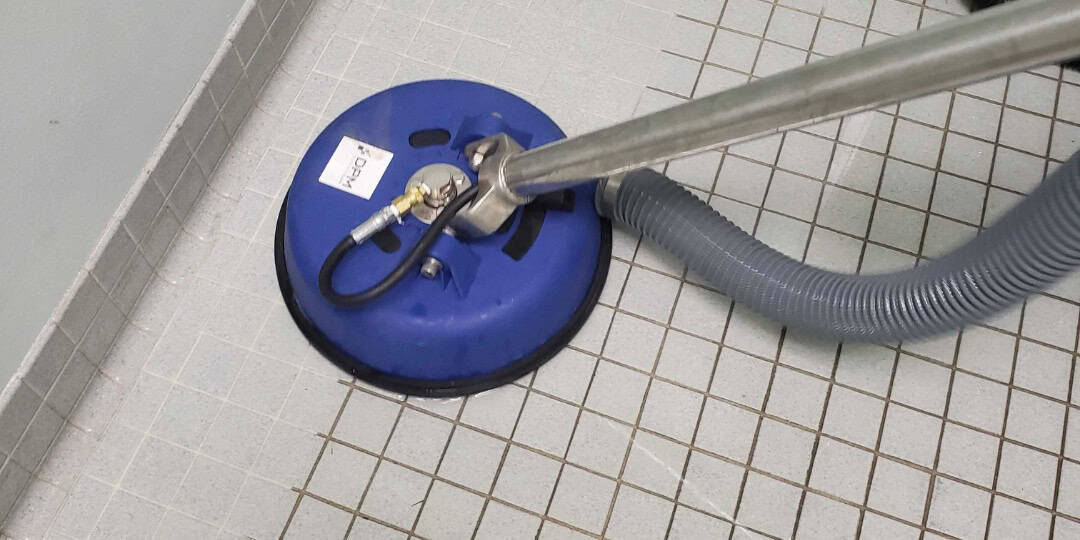
- Regular Professional Deep Cleaning: Specialized equipment can remove embedded soil and contaminants that mops can’t reach.
- Grout Sealing: Reapplying protective sealers helps prevent future staining and makes routine cleaning more effective.
- High-Traffic Area Monitoring: Entryways, restrooms, and break areas often need more frequent attention than other spaces.
- Customized Maintenance Scheduling: Every facility is different. A tailored maintenance plan helps maximize your budget while protecting your floors.
Protect Your Floors with a Routine Maintenance Plan from DPM Surface Care
Dirty tile grout doesn’t happen overnight, but without proper care, it can quickly impact the appearance and longevity of your flooring. At DPM Surface Care, we help facility managers and property managers maintain clean, professional-looking tile and grout in commercial environments including offices, schools, universities, healthcare facilities, government buildings, and more. Our expert team can assess your flooring, deep clean existing buildup, and create a routine maintenance plan designed to keep your tile surfaces looking their best year-round.
Ready to improve the appearance of your tile floors and prevent tile grout from getting out of control? Contact DPM Surface Care today to schedule a site visit and put a proactive maintenance plan in place.